Looking after Artworks
Learn about the do's and don’ts of protecting paintings, sculptures, and other pieces. Whether you're an artist, collector, or simply curious about how art is cared for, this pdf provides a closer at conservation.

Preserving Your Artwork at Home
Dr Chiara Chillè, Art Conservator at Crawford Art Gallery
Introduction
Paintings, furniture, books, photographs, decorative objects, and more are more than just possessions—they hold historical, artistic, and sentimental value. Proper care and storage can ensure their longevity, allowing them to be enjoyed for generations. Environmental factors such as light, humidity, and handling all play crucial roles in preservation. This guide provides general practical advice for maintaining and protecting your cherished items at home without delving into the complex methodological and ethical issues related to scientific knowledge in the art conservation field.
It is crucial to avoid attempting to resolve any issues you may notice with your possessions by yourself, as this could result in lasting damage to your artwork. For professional assistance in finding a qualified conservator in your area, refer to the Institute of Conservator-Restorers in Ireland (ICRI) through the following link: ICRI Find a Conservator. Conservation is a multidisciplinary field that combines practical skills, scientific knowledge, and an understanding of the humanities. Conservators specialise in particular materials or types of objects and may work independently or in collaboration with other professionals, such as curators, registrars, librarians, technicians, engineers, and educators. They may operate freelance, within a studio, or as part of a heritage organisation. A conservator is responsible for individual conservation projects and the overall care of heritage collections. Their work is guided by a deep respect for an object’s historical and cultural significance, ensuring that any treatments applied are chemically and physically stable, reversible, and compatible with the original material of the object treated. Conservation treatments are meticulously planned and undertaken by trained specialists, following professional standards and thorough assessment.
Paintings
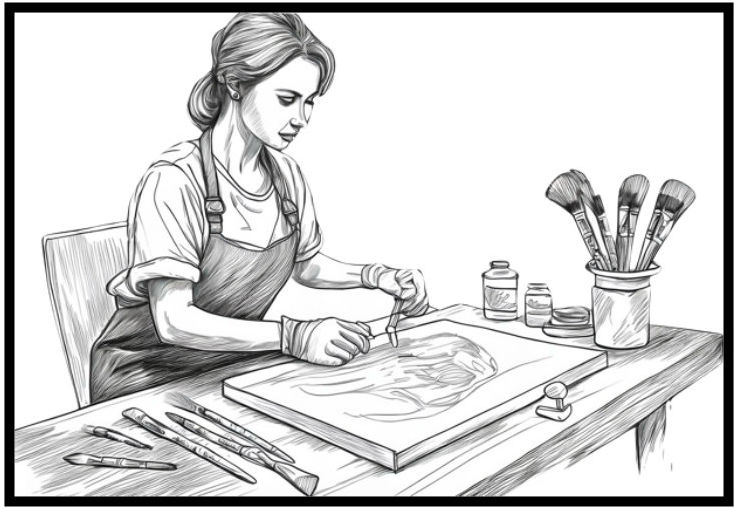
Paintings are complex works of art composed of multiple layers. The paint is applied to a support, commonly canvas or wood, which is usually prepared with a ground layer. A varnish layer often protects traditional paintings, whereas modern artworks may lack this finishing layer, making them more susceptible to damage. While canvas and wood are the most common supports, other materials such as paper, cardboard, metal, ivory, glass, plaster, and stone are also used. Over time, paintings can accumulate dirt, and varnishes may discolour, leading to a darkened or yellowed appearance.
Frames
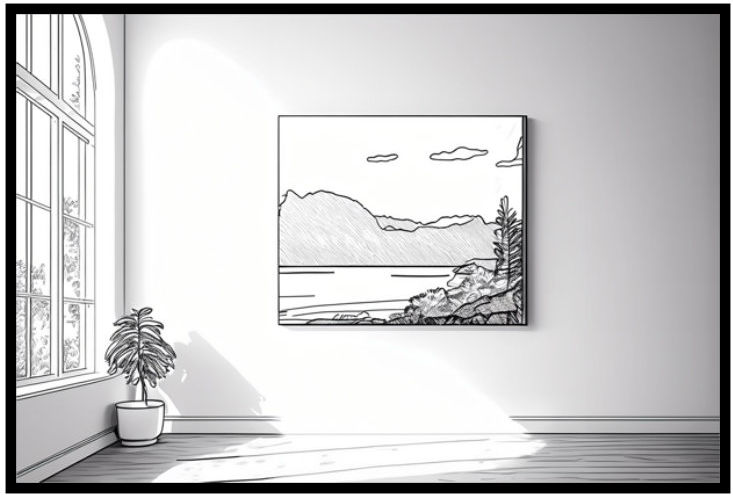
Frames provide structural support and protection for paintings. They should be stable and securely fitted, with any glazing (glass) positioned so that it does not press directly against the artwork. Large or heavy framed paintings should be handled with care, ideally with assistance, and lifted by holding the sides of the frame rather than the top. Jewellery and accessories should be removed to prevent accidental scratches. Secure hanging fittings, such as 'D' rings and strong picture wire, are recommended for better support. For larger or unframed artworks, professional art handlers may be required to ensure safe movement and installation.
Storage and Display
Each layer composing a painting responds differently to environmental changes, which can lead to deterioration. For example, canvas expands and contracts with fluctuations in humidity, potentially causing cracks in the more rigid paint layers. Similarly, wooden supports may warp or split if exposed to extreme humidity variations. To prevent damage, paintings should not be stored in unstable environments such as attics, basements, or garages. Instead, they should be kept in a controlled environment at 18–20°C, with relative humidity (RH) between 40–60%. Direct sunlight should be avoided, as prolonged exposure can fade pigments, cause varnish to discolour, and create temperature fluctuations that place stress on the paint layers. Similarly, placing paintings above fireplaces, near radiators, air conditioning units, or in bathrooms with high humidity should be avoided. When using artificial lighting, indirect sources are preferable. Framemounted picture lights should be used cautiously, as they can cause uneven heating and glare, potentially damaging the painting over time. If storing paintings, ensure they are kept in a stable environment with rigid backing boards for protection. When transporting artworks, avoid placing plastic coverings directly on the paint surface, as they may adhere and cause damage.
Cleaning and Maintenance
Before cleaning, inspect the surface for any loose or flaking paint. Dust paintings gently every few months using a soft brush, avoiding feather dusters, which can catch on textured surfaces. Never use liquid cleaners, household sprays, or wet cloths, as these can cause irreversible damage. Keep paintings away from chemical exposure, including cleaning products, air fresheners, and pesticides. If renovation work or steam cleaning is being carried out nearby, remove paintings from the area until conditions have stabilised.
When to Consult a Conservator
If the varnish layer has deteriorated to the point where it significantly alters the painting’s colours and contrast, professional conservation may be necessary. However, some agerelated changes are natural and should be preserved. If a painting shows signs of significant deterioration, such as paint loss, mould growth, or structural instability, it is advisable to seek professional conservation advice (https://www.icriconservation.ie/find-aconservator/).
Caring for Furniture
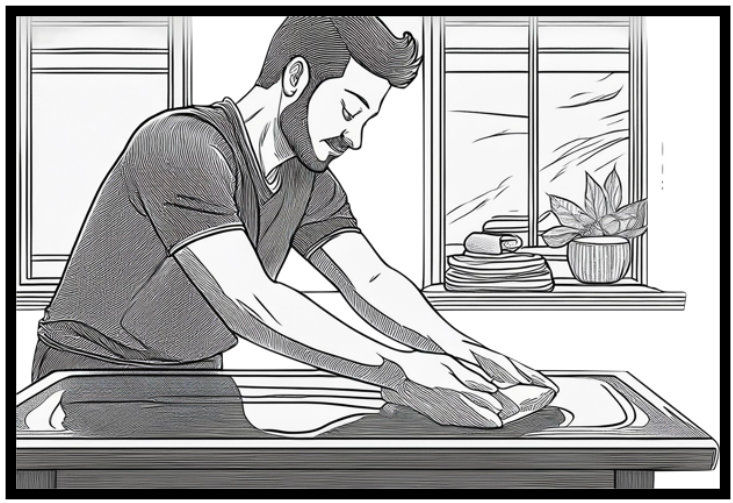
Furniture is made from a variety of materials, including wood, metal, leather, textiles, and synthetic finishes. Each component requires specific care to preserve both its appearance and structural integrity. Striking a balance between everyday use and proper maintenance helps ensure its longevity.
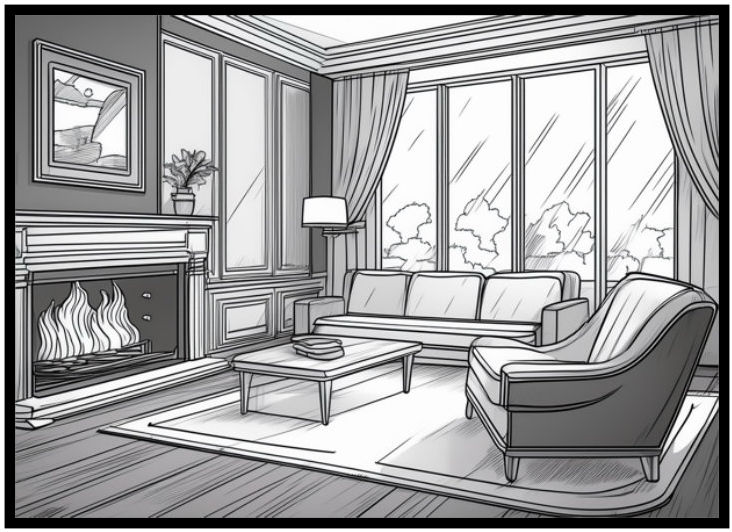
Storage, Display, and Handling
Environmental conditions play a crucial role in the preservation of furniture. Exposure to light, especially ultraviolet (UV) radiation, can cause fading and deterioration of wood and fabrics. To reduce this risk, keep furniture out of direct sunlight and consider using window coverings or UV-filtering films. A stable indoor temperature of 18–20°C with a relative humidity (RH) of 40–60% is ideal to prevent warping, cracking, and mould growth. High humidity levels can encourage pests, such as woodworms, which may cause structural damage. The presence of small holes and fine dust-like debris (frass) could indicate an active infestation that requires immediate attention. Avoid storing furniture in areas with extreme temperature and humidity fluctuations, such as attics, basements, or near fireplaces and heating vents. When moving furniture, always lift from strong, weight-bearing sections rather than delicate or decorative elements that may not support the weight.
Cleaning and Maintenance
Many commercial furniture polishes contain waxes or oils that can build up over time, attracting dust and causing discolouration. Instead, dust furniture regularly with a soft cloth. To avoid accidental damage, seek professional advice for more thorough cleaning.
When to Consult a Conservator
Antique or historically significant furniture requires expert care. If a piece shows signs of structural weakness, loose joints, or pest infestation, a professional conservator should be consulted to ensure appropriate treatment and preservation (https://www.icriconservation.ie/find-a-conservator/).
Caring for Books
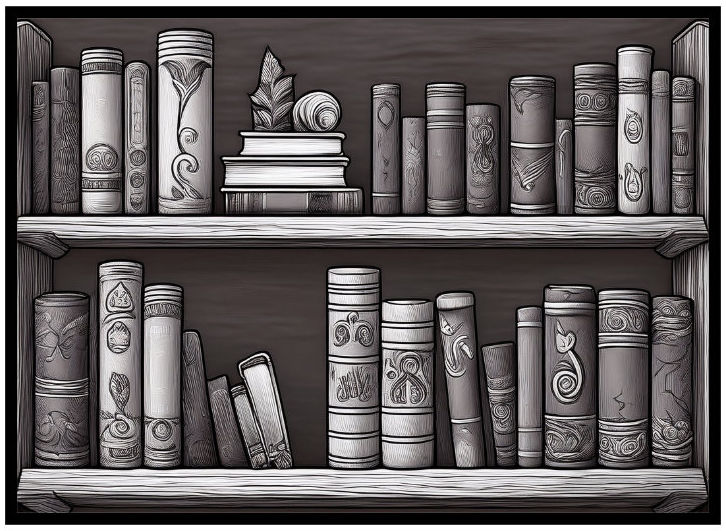
Books, whether hardback, paperback, or leatherbound, are made from organic materials such as paper, adhesives, and textiles. These materials are sensitive to environmental changes, so proper storage and handling are essential for their longevity.
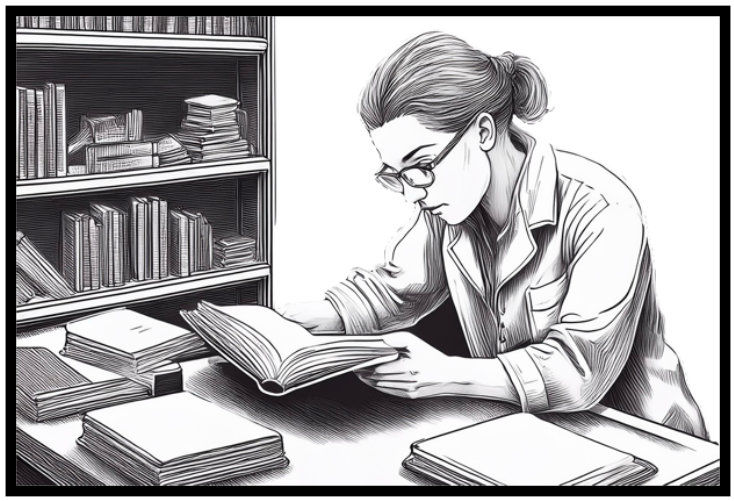
Storage, Display, and Handling
Books should be kept in a stable environment away from excessive light exposure, which can cause fading and deterioration. Natural daylight and fluorescent lighting emit high levels of UV radiation, accelerating damage. Ideally, books should be stored at 18-20°C with a relative humidity (RH) of 40-60%. Changes in humidity can lead to mould growth in damp conditions or cause paper to become brittle in dry environments.
Store books upright with adequate support from bookends to prevent warping. Large or heavy volumes should be laid flat to avoid placing strain on the spine. When removing a book from a shelf, grasp it by the spine rather than pulling at the top edge, as this can weaken the binding. Avoid using plastic covers, as they can trap moisture and accelerate deterioration. For long-term storage, use archival-quality boxes rather than plastic containers, which may release harmful chemicals over time.
Cleaning and Maintenance
Regular dusting helps prevent the build-up of dirt and debris. Use a gentle brush to clean books while they remain on the shelf. If a book becomes wet, dry it as soon as possible by placing absorbent material between the pages and ensuring good air circulation.
When to Consult a Conservator
In cases of severe damage, such as significant water exposure, seek professional advice rather than attempting DIY repairs with adhesive tape or glue, which can cause further harm. Books showing signs of mould, water damage, loose bindings, or torn pages should be assessed by a conservator to determine the best course of action for preservation (https://www.icriconservation.ie/find-a-conservator/ ).
Caring for Family Photo Albums
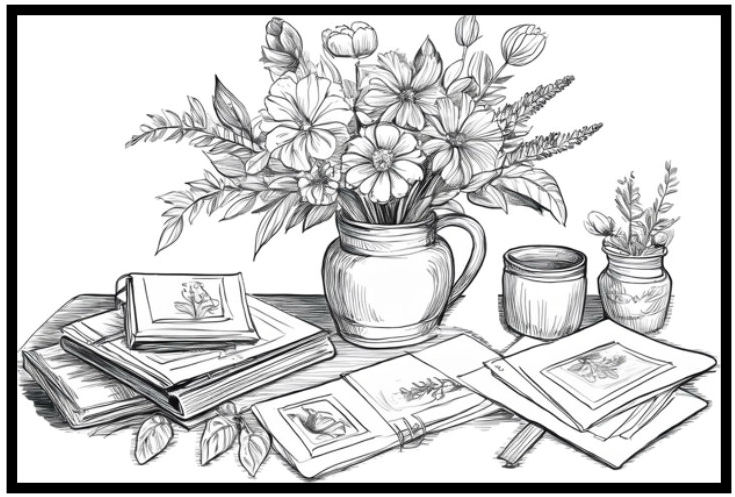
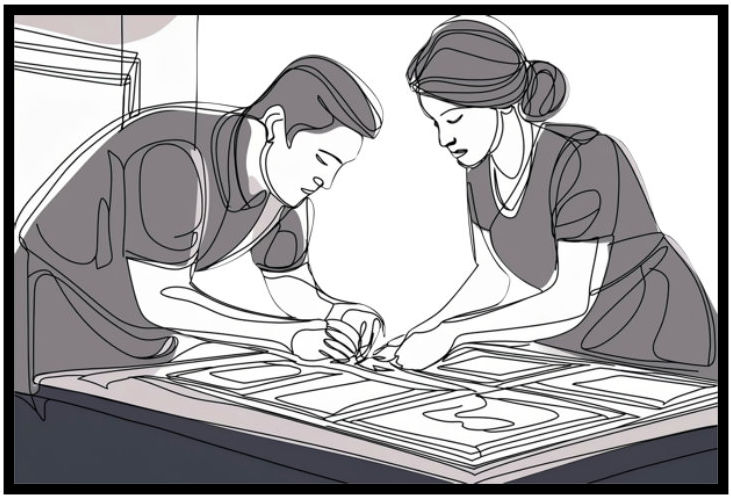
Photo albums are treasured keepsakes, preserving family memories and passing down personal histories through generations. Each page captures moments from the past, sparking stories and recollections. Photographs typically consist of three key layers: the image layer, a binder, and a primary support. The image layer—formed from materials such as silver, platinum, pigments, or organic dyes—creates the visible photograph. The binder, made from albumen, collodion, or gelatine, holds the image material in place and adheres it to the primary support, which may be paper, glass, metal, or plastic. Some photographs may also include colour, protective coatings, decorative frames, or cases, all of which influence their preservation needs.
Storage, Display, and Handling
Photographs should be kept in a stable environment with controlled temperature and humidity to ensure their longevity. High heat and moisture can speed up deterioration and encourage mould growth. Avoid storing photographs in places prone to extreme temperature changes, such as attics, basements, or against exterior walls where condensation may occur. The ideal conditions for preservation are a temperature of 18–20°C and relative humidity (RH) levels between 30– 40%. Before handling photographs or albums, wash your hands thoroughly to prevent transferring oils, dirt, or residue. Organising photographs in albums helps protect them from environmental damage while keeping collections structured. When viewing an album, support it properly to prevent strain on the spine—rolled towels can be used as a cushion if needed. Loose photographs should remain with the album and be placed in acid-free envelopes before being inserted between their original pages to maintain order. After use, store albums in enclosures that protect them from dust and light. Acid-free boxes and archival-quality plastic sleeves provide extra protection. The best storage location in a home is an interior cupboard, where temperature and humidity remain relatively stable, minimising exposure to light.
Housekeeping Tips
Regular dusting helps keep albums in good condition. Use a soft cloth or duster while they remain on the shelf to prevent the build-up of dust and grime.
When to Seek Professional Conservation
If a photograph or album becomes damaged, such as developing tears or mould, avoid using adhesive tape or other DIY repairs, as these can cause long-term harm. Instead, consult a professional conservator to ensure appropriate restoration and preservation (https://www.icriconservation.ie/find-a-conservator/ ).
Caring for Ceramics and Glass
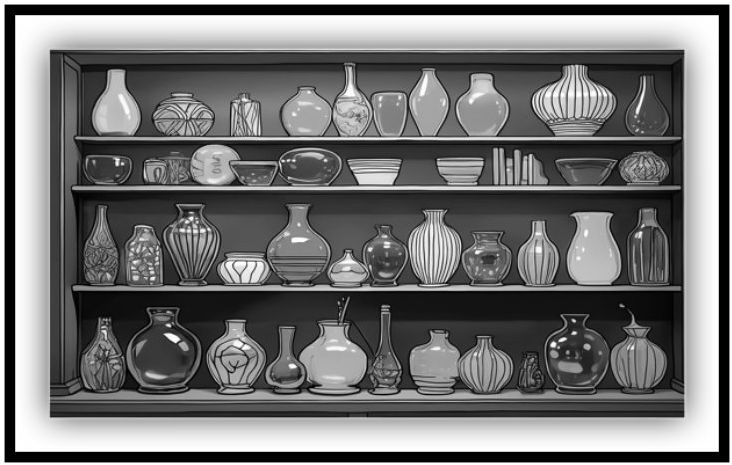
Ceramic and glass objects can be found in both everyday and decorative items, such as tiles, tableware, vases, sculptures, and mirrors. Ceramics can be left plain or decorated with finishes such as glazes, paint, enamel, or gilding. Glazes not only enhance the appearance but also provide a protective, waterproof layer that strengthens the ceramic. Glass, made by heating and cooling silica mixed with flux, can be altered with additives to change its colour or properties.
Storage, Display, and Handling
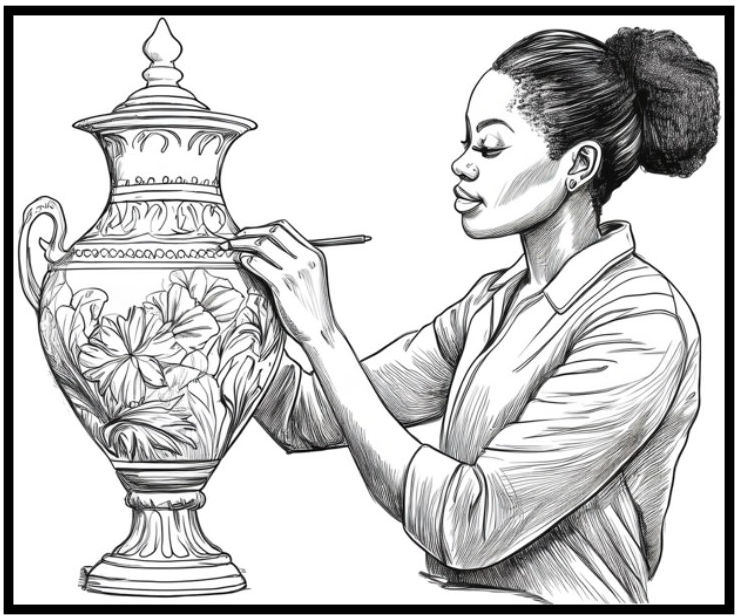
Ceramics and glass are fragile, so careful handling is essential. Before picking up an item, check for cracks, previous repairs, loose components, or delicate decorations. Always support objects with both hands, avoiding pressure on fragile areas, such as rims, handles, or knobs, which may be weak or previously restored. When placing items down, do so gently to avoid impact damage. Clean, dry hands typically provide a better grip when handling these objects, reducing the risk of accidental slips. To protect ceramics and glass items, store and display them on stable, level surfaces. Keeping them in display cases helps minimise dust accumulation. If storing items in boxes, ensure they are sturdy enough to support the weight and are appropriately sized to prevent movement or contact between objects, thus reducing the risk of damage.
Cleaning and Maintenance
Regular dusting helps keep ceramics and glass in good condition. Closed shelving can further reduce dust build-up. When dusting ceramics, use a soft brush and a vacuum with a fine nozzle to remove debris. For glassware, hand washing with mild soap, warm water, and a soft sponge is preferable to using a dishwasher, as dishwashing can cause tiny scratches that may lead to clouding over time. After washing, rinse thoroughly to remove any soap residue.
When to Seek Professional Conservation
If an item requires specialist cleaning, repair, or replacement of missing parts, avoid using adhesive or other DIY repairs. It is best to consult a professional conservator to ensure it is preserved correctly (https://www.icriconservation.ie/find-a-conservator/).
Final Thoughts
Preserving treasured artworks and collectables requires attention to environmental conditions, careful handling, and regular maintenance. When in doubt, seek the guidance of a professional conservator to ensure the long-term protection of your valuable items. By following these best practices, you can safeguard your personal collection for years to come.
Bibliography
Bomford, D., Dunkerton, J., & Wyld, M. (2009). A Closer Look: Conservation of Paintings. National Gallery Company Limited.
Stoner, J. H., & Rushfield, R. (Eds.). (2012). Conservation of easel paintings (1st ed). Routledge.
Penny N. (2010). A Closer Look: Frames. National Gallery Company Limited. Payne C. & Mula C. (1989). Sotheby's Concise Encyclopedia of Furniture. Conran Octopus, 1994.
Rivers S., & Umney N. (Eds.). (2003). Conservation of Furniture (1st ed). Routledge. Langwell W.H. (1974). The Conservation Of Books And Documents. Praeger Publishers Inc.
Bainbridge A. (Ed.). (2023). Conservation of Books (1st ed). Routledge. Lavedrine B. (2009). Photographs of the Past: Process and Preservation. Getty Publications
Norris D.H., Kennedy N. W. & Lavédrine B. (2025). Conservation of Photographs. Significance, Use and Care (1st ed). Routledge.
Buys S. & Oakley V. (1996). Conservation and Restoration of Ceramics. Routledge. Hawkins R. (2020). Pottery and Porcelain Restoration: A Practical Guide. The Crowood Press Ltd.
Daviso S. (2003). Conservation and Restoration of Glass (2nd ed). ButterworthHeinemann.